
Aviation continues to get a free ride
Aviation gets special treatment when in a rapidly warming world we should be investing in passenger rail
POLICYCLIMATE CHANGEWELLINGTONPUBLIC TRANSPORTREGIONAL RAILNIGHT TRAINSAIRLINESTHE FUTUREINVESTMENT
Paul Callister
12/5/20253 min read
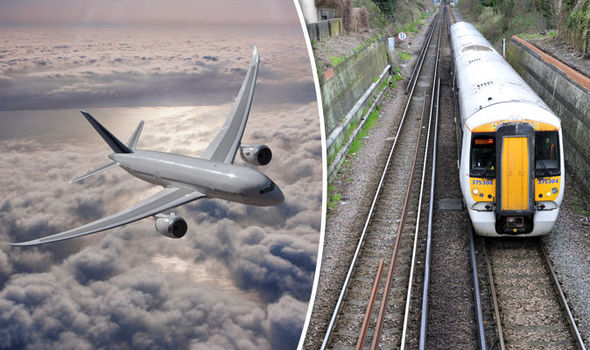
Catch a plane from Wellington airport to Auckland to connect to a flight to the island paradise of Fiji and you pay no GST on either flight plus the flight to Fiji is not part of the Emission Trading Scheme. Catch the Northern Explorer to Auckland to link to a ferry trip to the island paradise of Aotea/Great Barrier and you pay GST for both trips and both are also part of the ETS. You pay less total tax on a trip from Wellington to London than you do for a bus trip to Auckland (Perhaps the answer is for the bus to sprout wings).
The government has just confirmed that the special status aviation will continue in relation to emissions. The Climate Change Commission recommended that international aviation and shipping be included in our 2050 target, because the global 1.5 ºC target requires all emissions to reach net zero by the 2050s, and our climate Act requires us to support that global effort. They are currently 9% of our net emissions, 6.7 Mt CO2, but could reach 60% by 2050 if no action is taken. The Commission found that inclusion is realistic, feasible, consistent with what other countries are doing, and in our best interests. But the government has rejected this advice.
Air New Zealand has its own net zero 2050 target, as does the global aviation body IATA and the UN’s international civil aviation organisation, ICAO. Under ICAO rules we are expected to describe how we intend to reach net zero aviation emissions by 2050 – but we haven’t submitted our plan yet and all work on it appears to have been stopped. The aviation industry, and the wider tourism sector, needs this high-level, government-led direction to succeed in its decarbonisation efforts. It’s a similar situation for shipping, where New Zealand shamefully abstained from a recent carbon pricing vote at the International Maritime Organisation.
Like the recent backtracking on methane, this decision leaves a large sector of emissions completely unregulated, but with an important difference – fossil CO2 is a long-lived gas. Allowing it to cause unlimited amounts of damage now only creates a bigger problem for the future.
There has also been another recent announcement demonstrating government support for aviation. Wellington airport has significant expansion plans. To help facilitate this, the government has announced a new plan to increase the ‘lanes to the planes’. Per kilometer it is the most expensive roading project in the entire country at an estimated $2.9-3.8 billion. It has been suggested the new road building might speed up travel from north of Wellington by 10 minutes.
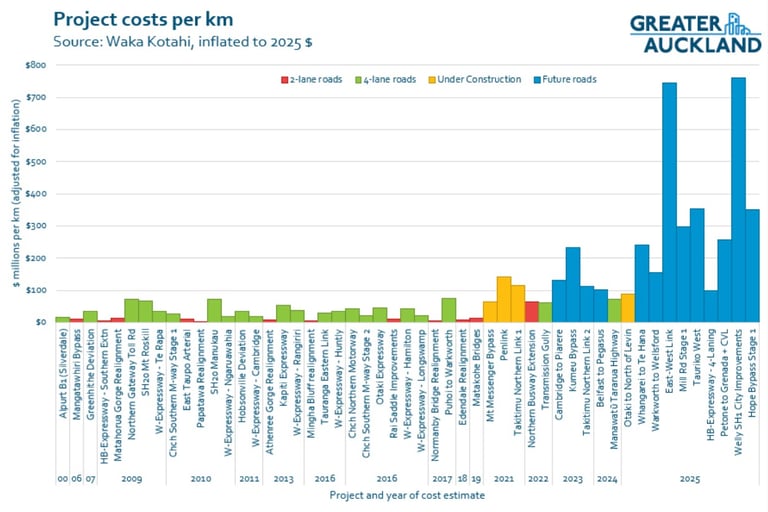
This is a very damaging project for Wellington. But it is also a very damaging project for the planet.
An excellent analysis of the problems created by this plan has been produced by the group A City for People.
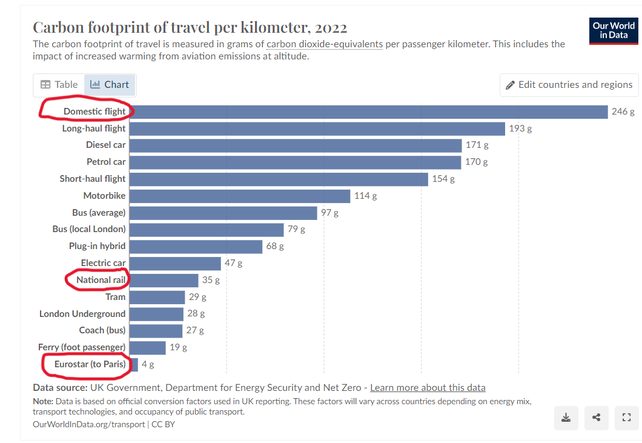
Decarbonising aviation is going to be very challenging and will not happen any time soon. In a recent interview Kevin Anderson, Professor of energy and climate change, says we need to rapidly roll out technology to help us reduce emissions. But as he says, it is not exotic technology. It is ‘mundane technology’ like passenger rail. We already know how this technology works.
If we brought back passenger rail, a night train from Wellington to Auckland, trains running to New Plymouth and Napier, some of the traffic heading to the airport would evaporate. And we would significantly reduce domestic emissions.
Elsewhere in New Zealand bringing back trains would also help reduce driving and flights. Finland helps point a way to do this.
There is still time to submit on the Wellington ‘lanes to the planes’ proposal. A City for People note:
“Give ‘feedback’ via their portal - this portal is pretty skewed to their beliefs about the project but do your best with the free text boxes. This engagement survey is open until 11:59pm Sunday 14 December 2025.
Email your messages in, to SH1Wgtnimprovements@nzta.govt.nz, with subject line “Feedback on Wellington RONS 1” or something similar. And make sure you include some of the demographic info at the beginning so they count it as a “real” piece of feedback.”