
Trains and buses: The mini-Switzerland model
In the UK there is interest in creating a ‘mini- Switzerland’ model of transport between smaller centres and major urban areas. This uses a mix of feeder bus services connecting seamlessly with regular, high quality affordable passenger rail. Mini-Switzerland seems a perfect way to solve many of Aotearoa New Zealand’s regional mobility challenges while at the same time reducing transport emissions.
POLICYRESILIENCECLIMATE CHANGEPUBLIC TRANSPORTPLANNINGREGIONAL RAILBUSESINFRASTRUCTURECONNECTIONTHE FUTUREREGIONAL PLANSINVESTMENT
Paul Callister
2/17/20264 min read
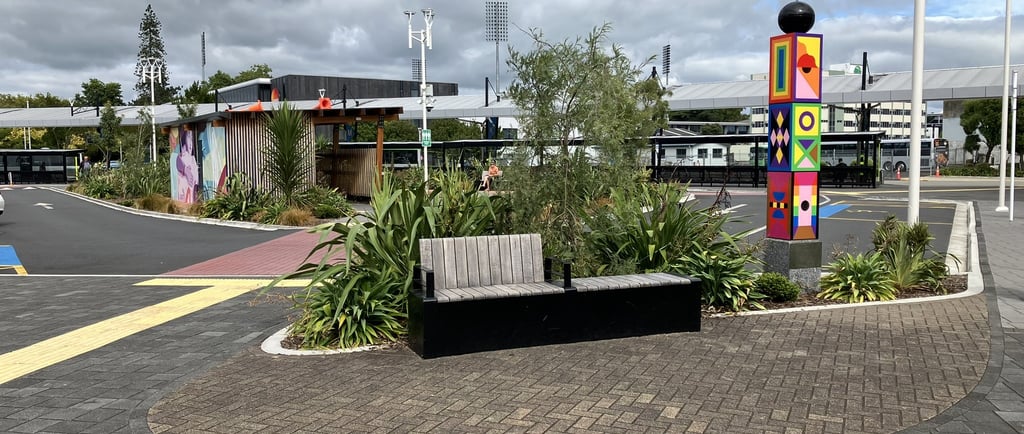
If I lived in Tokoroa, population 14,500 based on 2023 census data, and did not want to drive, or perhaps could not drive, how would I get to Auckland on a weekday?
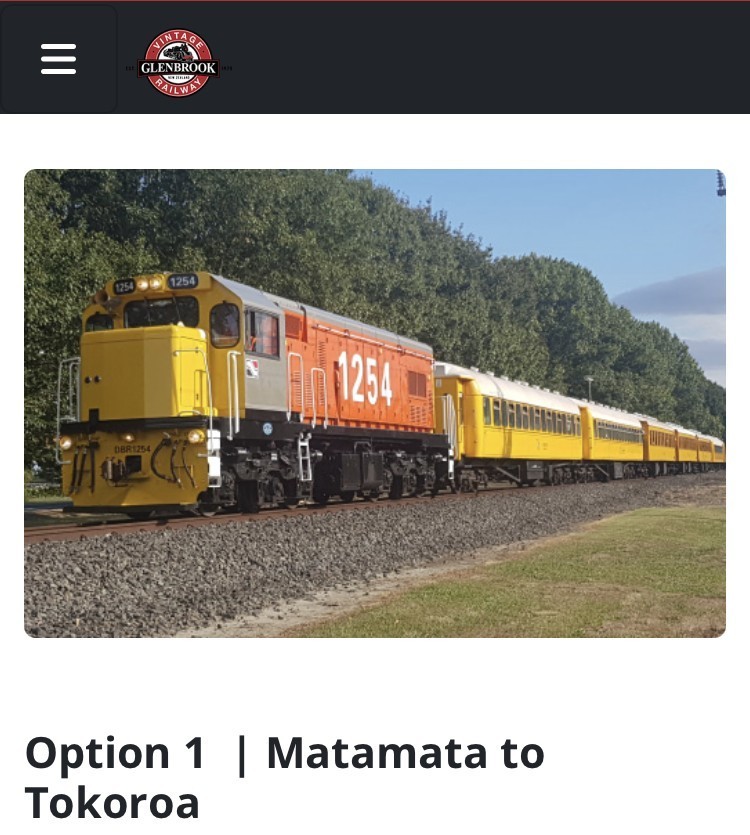
There are no passenger trains serving Tokoroa. This is despite a train track passing by linking Kinleith through to the Hamilton to Tauranga line. Occasionally an excursion train reaches Tokoroa, with one being run from Matamata by Glenbrook on Valentine’s Day 2026.
There is also an airfield near to the town owned by the South Waikato District Council. But there are no commercial flights.
So, the only option is by bus.
There is a once daily Connector bus to Hamilton on weekdays. It is run by the Waikato Regional Council. This leaves at 7am arriving at the Hamilton Transport Centre at 8.50 am.
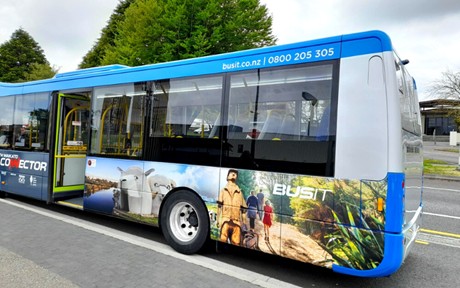
The cost varies according to ticket type and eligibility. For an adult, with a Goldcard it would be free, a Community Concession $5.35, $10.69 on a Bee card and $16 for a cash fare.
If you want to connect easily with Te Huia train to Auckland on Monday to Wednesday, sorry you are out of luck. You have to go to either Frankton or Rotokauri stations by another bus and wait until the 2.05 train. On Thursday and Friday, if all buses lined up, you might be able to catch the 9.30 Te Huia service to the Strand in Auckland. To get to central Auckland would require a walk or another bus trip. Again, prices vary on Te Huia with Goldcard holders travelling for free, a Bee card holder $24.06 and a cash fare $40.
The alternative is to use the privately run, unsubsidised, InterCity bus service to get to Hamilton or straight through to Auckland. These services run through Tokoroa coming from southern towns and cities. As such, they can often be late. On most weekday, there are two buses during the day, one at 12.50 and the other at 5.15. On Fridays there is an extra bus at 4.00. With dynamic pricing, ticket costs to Hamilton tend to vary between $50 and $70 for a standard seat and are not significantly more expensive if going through all the way to Auckland. One advantage of the InterCity service is that it takes passengers into central Auckland. A disadvantage is that all services arrive late in the day.
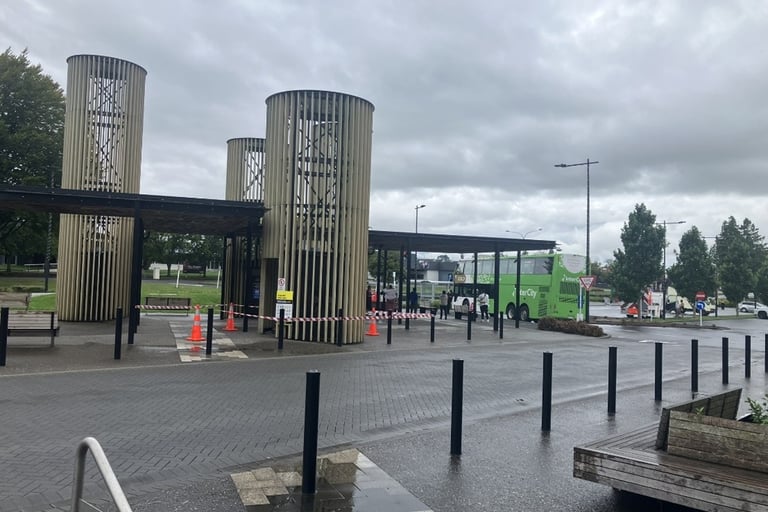
So, it is possible to get from Tokoroa to Hamilton or Auckland by some form of public transport. But the services are not regular, there is no co-ordination between trains and buses, and the train is slow.
Is there a better system? In the UK there is interest in creating a ‘mini- Switzerland’ model of transport between smaller centres and major urban areas. This uses a mix of feeder bus services connecting seamlessly with regular, high quality affordable passenger rail.
Describing an experiment with this system in the UK, the BBC note ‘[u]nder the proposals, services would run to hourly, easy to remember schedules, with buses timed to meet trains at key interchanges.’
The UK website ‘Life for the Outdoors’ describes it as ‘[i]t’s not about new multi-million pound railway lines. Instead, under the proposal buses and trains would be timed to connect and tickets would work across all modes of transport.
That means you could step off the bus and board a train minutes later – without needing a new ticket. No more long waits or missed connections.’
They go onto say:
‘Better public transport could make the Peak District accessible to people who do not own a car – including younger visitors and those on lower incomes.’
Here is a link to the UK report.
Under this system, the aim would be to have hourly buses leaving from all small towns connecting directly to train hubs in larger urban areas.
In the case of Tokoroa there would be an hourly electric bus to the Hamilton transport centre, with an easy transfer to an hourly Te Huia service leaving from a re-opened underground train station next door to the transport centre. A modern, electric hybrid train, would then take passengers, at speeds up to 160km per hour, into central Auckland linking into the City Rail Link. Take your bike with you. All trips designed to be wheelchair accessible.
Such a model would be suited to other towns in the Waikato and Bay of Plenty regions.
A similar bus and train hub could also work with the Capital Connection, linking lower North Island towns into a frequent rail service.
Mini-Switzerland seems a perfect way to solve many of Aotearoa New Zealand’s regional mobility challenges while at the same time reducing transport emissions. It uses existing road and rail infrastructure, as promoted by the Infrastructure Commission.
I would like to acknowledge the assistance given by Chris McKellor in putting together this blog.